Kumar Bahukhandi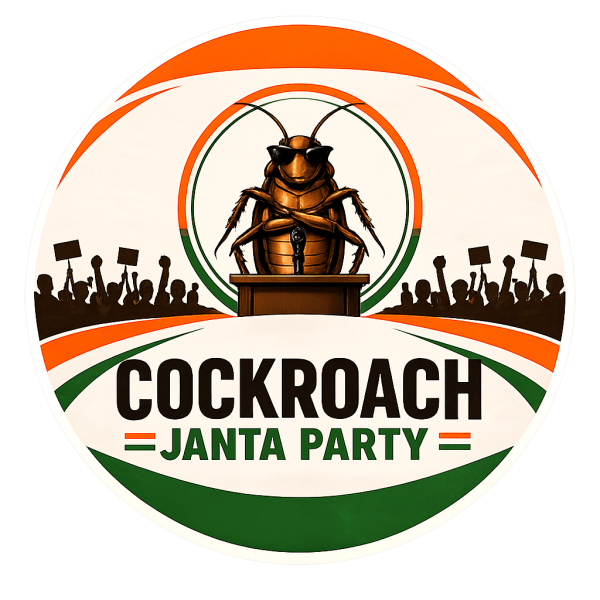
CJP Emblem (Representational Image)
Three Cockroach Janta Party leaders ordered released following preventive arrests ahead of the Jantar Mantar protest; proceedings renew debate over police powers and the constitutional right to peaceful assembly
Key Highlights
- Delhi Executive Magistrate orders the release of CJP leaders Abhijit Dipke, Saurav Das and Ashutosh Ranka.
- The three had been placed under preventive arrest after arriving in Delhi ahead of Saturday’s planned protest.
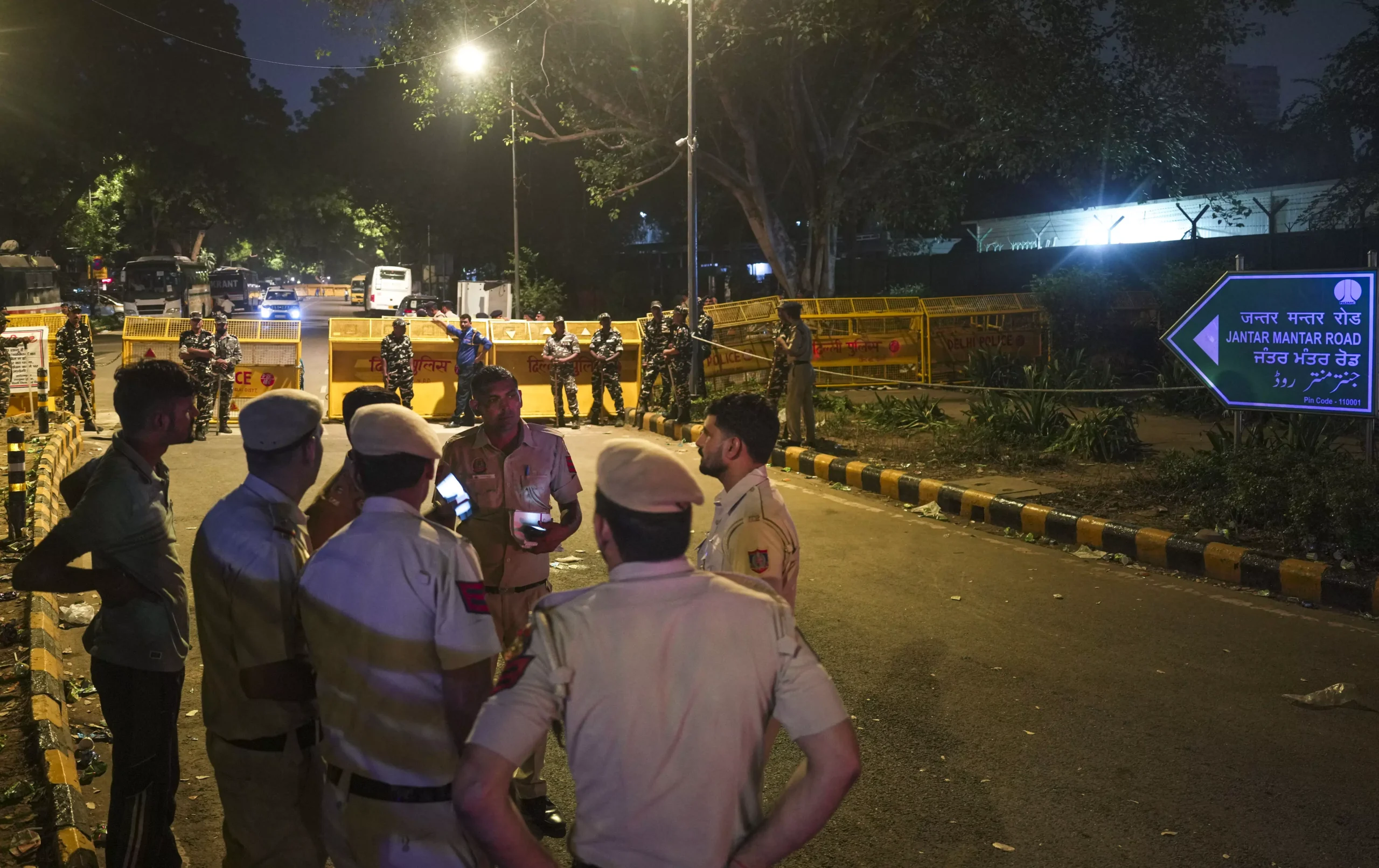
- Delhi Police had made extensive security arrangements to prevent demonstrators from reaching Jantar Mantar.
- The release order marks a new development in the controversy over restrictions on political demonstrations.
- The precise conditions of release and the magistrate’s reasoning have not yet been established from the information supplied.
Magistrate Orders Release Following Preventive Arrests
New Delhi: In a significant development following the detention of Cockroach Janta Party (CJP) leaders ahead of their planned protest at Jantar Mantar, a Delhi Executive Magistrate has ordered the release of party founder Abhijit Dipke and fellow leaders Saurav Das and Ashutosh Ranka. The order follows preventive action taken by Delhi Police against the three leaders after they arrived in the national capital on Saturday, October 10, 2026.
The development comes amid continuing political controversy over the security restrictions imposed in connection with the CJP’s proposed demonstration against Chief Election Commissioner Gyanesh Kumar over alleged electoral roll irregularities.
The leaders had been detained after their flight landed in Delhi, according to the earlier police account. They were subsequently placed under preventive arrest and were due to be produced before an Executive Magistrate at Delhi Cantt Police Station on Sunday.
The reported release order represents a change in their immediate legal position, although it does not by itself establish that the initial police action was unlawful.
Release Conditional on Maintaining Peace for One Year
The release was confirmed by CJP legal affairs head Ratna Singh, who announced on X:
“Executive Magistrate court releases Abhijeet, Saurav and Ashutosh.”
Singh also confirmed that the leaders were required to refrain from any breach of peace for one year.
Delhi Police subsequently stated that the three had been arrested under Sections 126 and 170 of the Bharatiya Nagarik Suraksha Sanhita (BNSS), provisions concerning security for keeping peace and preventive police action.
According to the police statement, a ₹50,000 surety bond was furnished for maintaining peace and good behaviour for one year. The leaders were released after proceedings before the Special Executive Magistrate at Delhi Cantt.
Lawyer Confirms All Three Leaders Are Free
Advocate Soutik Banerjee also confirmed the outcome of the proceedings.
“All three (Abhijeet Dipke, Ashutosh Ranka, and Saurav Das) have been released. They can go from here,” he said.
The three leaders subsequently left Delhi Cantonment Police Station on Sunday morning.
Their release brings an end to this period of preventive detention, although the conditions imposed by the magistrate remain relevant for the next year.
Detained Inside Aircraft After Landing in Delhi
The CJP leaders were detained on Saturday after arriving in Delhi by air to participate in the proposed demonstration at Jantar Mantar.
Their detention came amid heightened security arrangements across the national capital.
The protest had been called to demand the resignation of Chief Election Commissioner Gyanesh Kumar over alleged irregularities in the Special Intensive Revision of electoral rolls.
Delhi Police had denied permission for the proposed demonstration and imposed extensive security arrangements to prevent protesters from assembling at the designated location.
Police Defend Preventive Action
Police maintained that the three leaders were taken into custody through preventive legal provisions.
In its statement following their release, Delhi Police said the required legal procedures had been followed and that the leaders had been presented before the competent magistrate.
The police position is that the preventive action was intended to address apprehensions concerning public order.
The magistrate’s decision to release the leaders subject to a peace bond does not, by itself, amount to a judicial declaration that their initial detention was illegal.
Release Comes Amid Wider Political Controversy
The detention of CJP leaders has become part of a wider controversy over restrictions imposed during the Delhi protests.
The demonstrations have raised questions concerning electoral transparency, the right to peaceful assembly and the use of preventive police powers.
While the CJP and its supporters have challenged the restrictions, authorities have maintained that public order considerations justified their actions.
The dispute has also drawn attention to the role of courts and magistrates in examining preventive detention and ensuring compliance with legal safeguards.
One-Year Peace Condition Will Remain in Force
The condition attached to the leaders’ release is an important element of the magistrate’s order.
The requirement to maintain peace for one year places continuing legal obligations on the three leaders, although its precise application will depend on the order and applicable law.
The release is therefore conditional rather than unconditional.
The immediate development is that Abhijeet Dipke, Saurav Das and Ashutosh Ranka are free following the Executive Magistrate’s order, while the wider dispute over the Delhi demonstrations and the authorities’ handling of the protests continues.